
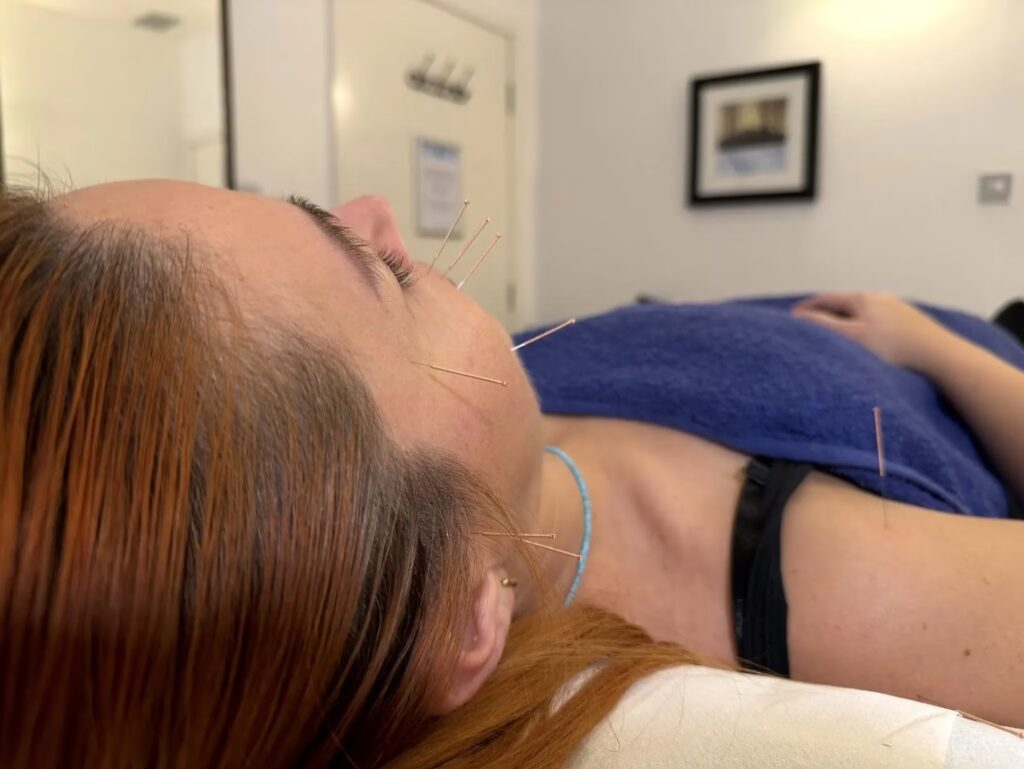
At Active Health, some of our physiotherapists use musculoskeletal acupuncture and dry needling as part of a comprehensive treatment plan. These techniques can help reduce pain, release muscle tension, and support your body’s natural healing processes — all guided by clinicians trained in safe, evidence-based practice.
Musculoskeletal acupuncture involves the gentle insertion of very fine needles into specific points in the body to help:
Physiotherapists use acupuncture within a clinical framework, targeting points that influence the nervous system and help restore healthier movement patterns.


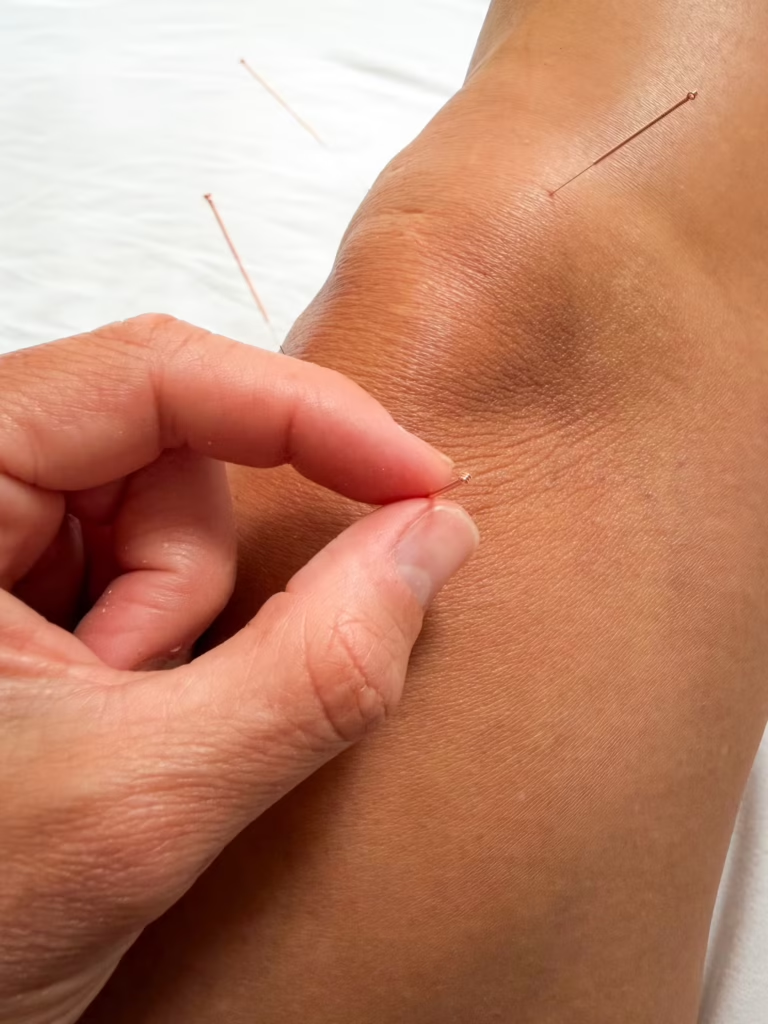
Dry needling focuses on releasing tight or overactive muscles — often known as trigger points.
Your physiotherapist inserts a fine needle directly into the affected area to:
The sensation can vary from a mild ache to a brief twitch response, and relief is often felt quickly.
Musculoskeletal acupuncture and dry needling may be beneficial for:
Both methods work particularly well when combined with physiotherapy exercises, hands-on treatment, and lifestyle advice.
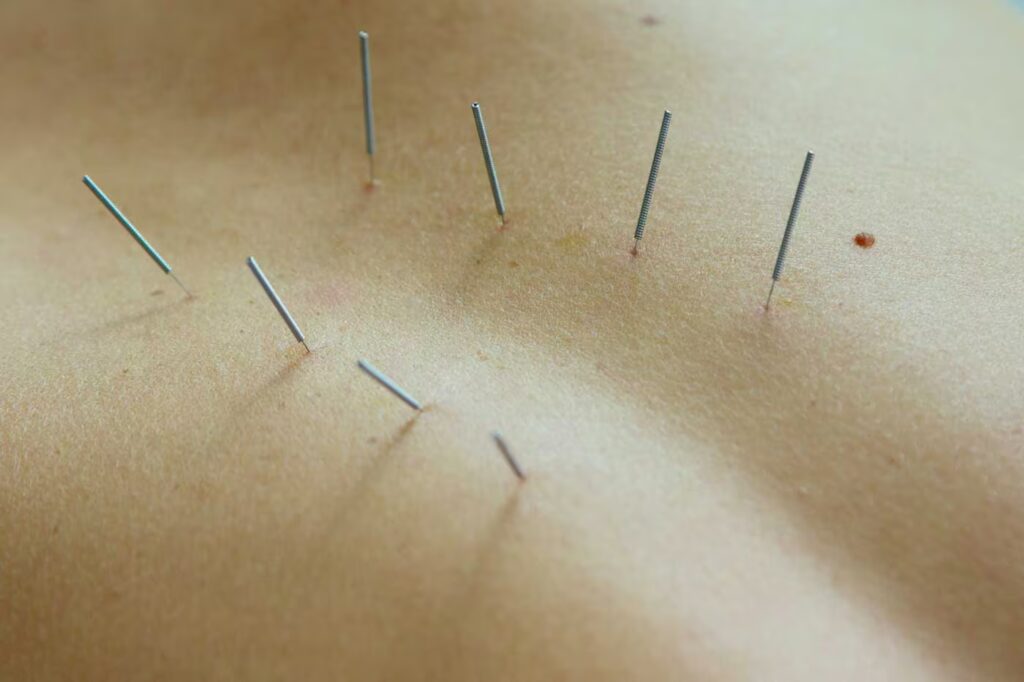
Your physiotherapist will:
Most people find the techniques comfortable, and sessions are always tailored to your comfort and goals.
We and our partners, including Google, use cookies and personal data to analyse traffic and for ads personalisation and measurement. You can accept, reject or choose which cookies to allow. Privacy Policy • Cookie Policy • Terms & Conditions • Google Privacy
We use cookies to help you navigate efficiently and perform certain functions. You can choose which categories to allow below. Cookies categorised as Necessary are always active.
We also use third-party cookies for analytics and advertising. These are only stored with your consent. You can update or withdraw consent at any time via the cookie icon at the bottom-left. This site operates under UK GDPR, the Data Protection Act 2018, and the Privacy and Electronic Communications Regulations (PECR). Cookie Policy • Privacy Policy
Necessary cookies are required for core site features including security, network management, and consent storage.
| Cookie | Duration | Description |
|---|---|---|
hmdg_cookie_consent | 180 days | Stores your cookie consent preferences. |
PHPSESSID | Session | WordPress session identifier. |
wordpress_logged_in_* | Session | WordPress login authentication. |
Functional cookies enable enhanced features such as live chat and remembering preferences.
| Cookie | Duration | Description |
|---|---|---|
wp-settings-* | 1 year | Stores user interface preferences. |
Analytics cookies help us understand visitor behaviour. Controls analytics_storage for Google Analytics 4.
| Cookie | Duration | Description |
|---|---|---|
_ga | 2 years | Google Analytics — distinguishes users. |
_ga_* | 2 years | Google Analytics 4 — session persistence. |
_gid | 24 hours | Google Analytics — distinguishes users. |
_gat | 1 minute | Google Analytics — throttles request rate. |
Performance cookies collect aggregate, anonymous data about site performance.
| Cookie | Duration | Description |
|---|---|---|
_gat_gtag_* | 1 minute | Google Tag Manager — rate throttle. |
Marketing cookies track visits to deliver relevant ads. Controls ad_storage, ad_user_data, and ad_personalization.
| Cookie | Duration | Description |
|---|---|---|
_gcl_au | 90 days | Google Ads — conversion tracking. |
_gcl_aw | 90 days | Google Ads — click attribution. |
_gac_* | 90 days | Google Ads — campaign information. |
IDE | 1 year | Google DoubleClick — ad targeting. |
Powered by HMDG • Cookie Policy